






Rubbish clearance Elizabeth Street Belgravia access tips
Posted on 10/08/2026
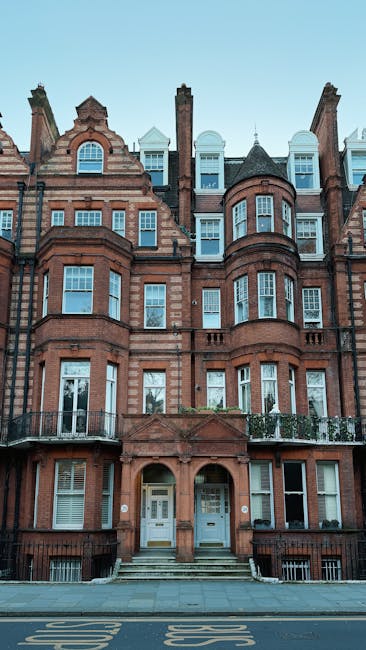
Rubbish clearance Elizabeth Street Belgravia access tips: a practical local guide
If you are arranging rubbish clearance on Elizabeth Street in Belgravia, the job usually looks simple on paper and then gets a bit more complicated once you meet the real street: limited stopping space, tight access, busy weekday traffic, resident parking rules, and the usual London curveballs. The good news? With the right access tips, you can make the collection smoother, quicker, and far less stressful. This guide walks through the practical details that matter most, from timing and loading points to common mistakes and what to do when access is awkward. If you have ever stood at a front door with a pile of unwanted items and thought, right, where exactly does the truck go?, you are in the right place.
Why Rubbish clearance Elizabeth Street Belgravia access tips Matters
Access is not a small detail in Belgravia; it is often the difference between a tidy, efficient clearance and a frustrating delay. Elizabeth Street has the kind of character that people love: elegant facades, period properties, independent shops, and a polished feel that makes the area special. But that same character can make waste collection more delicate than in a suburban driveway with room to spare.
In practice, access planning matters because it affects how close a vehicle can get, how long loading takes, whether items must be carried by hand, and whether the work can be completed without blocking pedestrians or causing complaints. The street can feel calm at certain times and suddenly busy five minutes later. To be fair, that is London for you.
Good access planning also protects the building, the pavement, and everyone involved in the move. If a clearance team knows in advance about narrow entrances, stairs, lift restrictions, concierge arrangements, or restricted stopping points, they can arrive prepared with the right crew size and equipment. That tends to save both time and money, and it reduces the chance of surprise problems halfway through the job.
For larger properties, office spaces, or mixed-use buildings, the issue becomes even more important. A simple flat clearance might be manageable with one van and two people. A builder's waste load after refurbishment, however, can require a very different approach. If you are comparing service types, it may help to look at the wider service overview and the more specific builders' waste disposal service to see what suits your situation.
How Rubbish clearance Elizabeth Street Belgravia access tips Works
The process is usually straightforward once the access details are clear. First, the collection is assessed in relation to the property layout and the street environment. Then the team plans how the items will be moved out, where the vehicle can pause, and how many people are needed. If the access is easy, the job is quick. If it is awkward, the planning becomes more important than the lifting.
In a typical Elizabeth Street clearance, the main questions are:
- Can a vehicle stop close enough to load safely?
- Is there a narrow hallway, shared entrance, or internal staircase to factor in?
- Are there time restrictions, concierge rules, or building access windows?
- Will items need to be carried through common areas without disturbing residents or customers?
- Are there bulky items that need two-person lifting or dismantling first?
Some clearances are simple domestic jobs, where a small load is taken away after a house or flat tidy-up. Others are more involved, such as office clearance, garden waste removal, or mixed waste after renovation. That is why the access conversation should happen before collection day, not during it. If you want a sense of how different jobs are usually organised, the pages for house clearance in Belgravia and office clearance are useful reference points.
One practical point often overlooked: the best route for the crew is not always the obvious one. A rear access lane, a side entrance, a loading bay, or even a specific time slot can be far better than trying to use the front door. The aim is not just to remove waste; it is to do it without turning a discreet collection into a small street event. Nobody wants that.
Key Benefits and Practical Advantages
When access is planned properly, the benefits show up almost immediately. The collection is faster, there is less disruption, the risk of damage drops, and the whole experience feels more professional. On streets like Elizabeth Street, that matters because properties tend to be carefully maintained and people notice things.
Here are the main advantages:
- Less waiting around - the crew arrives ready, not improvising at the kerb.
- Lower chance of obstruction - better planning means less risk of blocking pedestrians or neighbours.
- Safer lifting and carrying - shorter carry distances reduce strain and breakage.
- Cleaner handover - easier to leave the property and common areas tidy.
- Better value - less wasted time can mean a more efficient job overall.
There is also a confidence benefit. If you know the access plan, you are less likely to feel stressed on collection day. That sounds small, but it is not. A lot of clearance jobs go wrong simply because nobody clarified the route, the parking point, or the building entry process early enough. A five-minute conversation can save a fifty-minute headache.
Expert summary: On Elizabeth Street, the best rubbish clearance outcomes come from matching the vehicle, crew size, and access route to the property rather than assuming the nearest pavement stop will do. Small details matter more here than in many other parts of London.
If your clearance is part of a larger move, refurbishment, or property acquisition, you may also find related local reading helpful, such as property acquisition in Belgravia and your guide to investing in Belgravia properties. The relationship is simple: when property changes hands, waste and clearance needs tend to appear very quickly.
Who This Is For and When It Makes Sense
This kind of access planning is useful for a wide range of people, not just homeowners. In fact, some of the trickiest jobs are commercial or mixed-use. A small office on or near Elizabeth Street may have limited lift access and no obvious place for a van to wait. A townhouse renovation may create bulky waste that needs careful timing. A landlord may need an end-of-tenancy clearance with minimal disturbance to neighbours. Each one has its own little twist.
It makes sense if you are:
- clearing a flat, townhouse, mews property, or basement space
- removing furniture after a move
- disposing of renovation or builders' waste
- emptying an office, studio, or workspace
- tidying a garden or side return
- handling an estate, probate, or long-overdue declutter
It also matters if the property has awkward features such as a narrow stairwell, limited lift capacity, shared hallways, a concierge desk, or restricted delivery times. Some of those details sound minor until the items actually need to move. Then they are all that matters.
For owners and occupiers in Belgravia, it is also worth thinking about context. Elizabeth Street sits in an area where presentation, discretion, and timing can matter just as much as raw lifting power. If you are planning around an event, a tenancy change, or a building programme, the article on Belgravia's best event spaces shows just how active and schedule-sensitive the neighbourhood can be.
Step-by-Step Guidance
Here is the most useful way to approach a clearance on Elizabeth Street without overcomplicating it.
- List everything that needs removing. Separate general rubbish, furniture, white goods, garden waste, and construction debris. A mixed load can be fine, but it helps to know what is involved.
- Check the access points. Look at the front entrance, rear access, stairs, lifts, and any service entrances. Ask yourself: where will the items actually come out?
- Identify the best vehicle stop. The nearest point is not always the safest or most practical point. Think about space for loading, visibility, and whether the vehicle can remain without causing obstruction.
- Note building rules or restrictions. Some buildings have set times for deliveries, concierge requirements, or rules for keeping communal spaces clear.
- Share the details early. Give the clearance team the key facts before the appointment. One of the biggest causes of delays is simply missing information.
- Prepare items for easy movement. Keep walkways clear, group items together where possible, and dismantle obvious bulky pieces if it is safe to do so.
- Keep a fallback plan. If the first access point is blocked, know the alternative. Side entrance? Rear lane? A slightly different collection window? Plan B helps.
If you are unsure what the team should take first, start with the heaviest or most awkward items, then move to smaller pieces. It often improves flow. One quick example: a sofa removed first can open up the hallway, which makes everything else easier. The reverse is rarely true.
For commercial or trade-related waste, it is sensible to align the process with the right service type. A mixed house clearance is not the same as a refit job, and a garden tidy-up has different handling needs again. If the job is mostly green waste, look at garden waste removal in Belgravia; if it is mostly general waste, waste clearance in Belgravia may be the better fit.
Expert Tips for Better Results
These are the small things that make a real difference. Not glamorous, but useful.
- Measure awkward items before collection day. Tall wardrobes, sectional sofas, and oversized desks can look manageable until they hit a tight bend.
- Protect floors and corners. In period properties, scuffed paint or chipped skirting is easy to notice and annoying to repair.
- Keep staircases well lit. It sounds obvious, but dim hallways slow people down and make lifting riskier.
- Allow for neighbours and shared entrances. A quick message or polite heads-up can prevent friction later.
- Use a realistic time window. London traffic has its own opinions. Always.
- Ask about insurance and handling. If a team is moving items through communal areas, you want confidence that they work carefully and responsibly.
Also, do not underestimate how much easier a clearance becomes when items are pre-sorted. It is one of those jobs where a little bit of prep pays off in a very visible way. If you have boxes, paper, cardboard, and reusable items mixed together, separate them before the team arrives. You do not need to stage the place like a showroom. Just enough to avoid chaos.
For readers who care about responsible disposal, the page on recycling and sustainability is worth a look. The more carefully items are sorted before collection, the easier it is to direct reusable or recyclable material the right way.
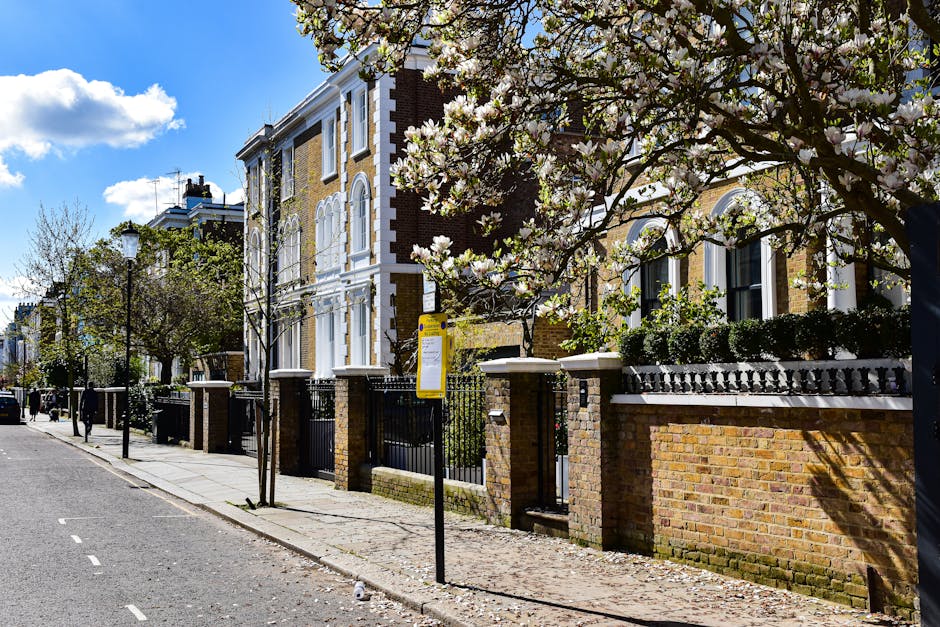
Common Mistakes to Avoid
Most access problems come from a handful of avoidable mistakes. The good news is that once you know them, they are easy to sidestep.
- Assuming street access will be easy. Elizabeth Street can be accessible at one time and awkward at another. Always confirm the practical stopping point.
- Not checking building restrictions. A lift booking or concierge rule can change the whole plan.
- Leaving it until the last minute. If the team discovers a barrier on arrival, everyone loses time.
- Mixing too many waste types without warning. This can affect loading time and disposal planning.
- Forgetting about heavy or fragile items. A marble-topped table needs a different approach from a bin bag of household clutter.
- Not considering neighbours or customers. Especially in mixed-use buildings, the clearance should feel tidy and controlled, not disruptive.
A slightly awkward truth: some people spend ages choosing a clearance date and then skip the access check. That is backwards. The date matters, yes, but access often matters more. It is the part that decides how smoothly the day will unfold.
Tools, Resources and Recommendations
You do not need a huge toolkit, but a few simple items can make the job easier. A tape measure helps with bulky furniture. Gloves are useful for handling dusty or sharp-edged items. Sturdy bags, labels, and a marker pen make sorting simpler. If the property has a service entrance or lift booking system, keep those details written down so nothing gets lost in the back-and-forth.
For a smoother booking and a clearer understanding of options, these pages are especially relevant:
- pricing and quotes for understanding how jobs are usually costed
- payment and security if you want reassurance on how payment is handled
- insurance and safety for the sort of care you want on tight access jobs
- accessibility information if the property involves mobility constraints or step-free planning
If you are comparing local context and property movement needs, the area articles on discovering Belgravia and local views on Belgravia can help you understand why discretion and timing matter so much here.
Law, Compliance, Standards, or Best Practice
When rubbish is being removed from a property in London, best practice is not just about efficiency. It also includes safe handling, lawful disposal, and consideration for public space. You do not need to become an expert in regulations to make good decisions, but you should expect the work to be carried out responsibly and with care.
In practical terms, that means:
- waste should be handled and transported safely
- items should not be left obstructing pavements or entrances
- care should be taken in shared buildings and common areas
- hazardous or unusual items should be identified in advance
- the collection should align with sensible duty-of-care expectations
That last point matters. Even if you are simply clearing out an old cupboard, the waste should go somewhere appropriate and not just vanish into a vague promise. A reliable provider will be transparent about how waste is managed, and they should be willing to explain the process in plain language. If you like to read the small print before doing anything, the pages on terms and conditions, privacy policy, and cookie policy are there for that reason.
For readers considering company background and standards, about us and the modern slavery statement may also help build trust in how the business is run. That kind of transparency is a good sign, plain and simple.
Options, Methods, or Comparison Table
There is no single right method for every job on Elizabeth Street. The best option depends on the amount of waste, the access route, and how quickly the clearance needs to happen.
| Method | Best for | Access needs | Pros | Trade-offs |
|---|---|---|---|---|
| Man-and-van clearance | Small to medium loads | Moderate access, short carry | Flexible, quick, good for mixed items | May need more loading time if access is tight |
| Full property clearance | Houses, flats, probate, end-of-tenancy jobs | Careful route planning | Efficient for larger clear-outs | Needs better coordination and more crew planning |
| Builders' waste collection | Renovation debris, rubble, offcuts | Vehicle access and safe loading point | Best for heavy, messy material | May require more specific handling and sorting |
| Garden waste removal | Green waste, soil, cuttings, prunings | Easy route from garden or side access | Clean and tidy for outdoor jobs | Wet or bulky green waste can be heavier than expected |
| Office clearance | Desks, chairs, filing, IT clutter | Lift or service entrance planning | Good for business premises and timed access | Often depends on building rules and tenant schedules |
For most Elizabeth Street properties, the choice comes down to whether the job is light, mixed, or highly access-sensitive. A small flat clear-out can be relatively simple. A basement office with a narrow stairwell is a different story entirely. And yes, the latter usually involves more coffee than anyone would like.
Case Study or Real-World Example
Picture a Belgravia townhouse near Elizabeth Street after a long-overdue interior refresh. The owners want to remove an old sofa, two wardrobes, broken shelving, a few bags of general waste, and some packaging left behind by trades. On paper, it looks like a half-day job. In reality, the front entrance has a narrow step, the hallway is delicate, and the road outside is busy by mid-morning.
Instead of turning up and hoping for the best, the clearance is planned around the side access point. The team is told in advance that the wardrobes are too tall to move intact, so they come prepared to dismantle them on-site. The vehicle stops at the best possible point without blocking the flow of pedestrians, and the crew works in a simple order: largest items first, bags second, fragile pieces last. The whole thing is finished calmly, with no drama and no damage. That is the ideal.
A similar approach works for commercial properties too. For example, an office clearance near the street may need a timed arrival, lift protection, and a careful path through reception. It is rarely the lifting itself that causes trouble. It is the access. Once the access is sorted, everything else tends to settle down.
Practical Checklist
Use this before collection day. It is the sort of list that saves a lot of last-minute faffing.
- Confirm the property address and exact access point
- Check whether the vehicle can stop safely nearby
- Note stairs, lifts, tight corners, and any narrow doors
- Ask about building rules, booking slots, or concierge procedures
- Separate bulky, fragile, recyclable, and general waste
- Measure items that may not fit through the exit as they are
- Protect floors, walls, and thresholds where needed
- Tell the team about heavy items, awkward furniture, or restricted times
- Keep common areas and walkways clear
- Have a fallback route if the first route is blocked
- Check the collection plan if waste types are mixed
- Review pricing and payment details before the day
If you would like a broader view of the available services before you book, the services page is a useful starting point.
Conclusion
Rubbish clearance on Elizabeth Street in Belgravia is rarely difficult because of the waste itself. It is difficult when access is treated as an afterthought. Get the route, timing, vehicle stop, and building details right, and the job becomes much easier. Ignore them, and even a small clearance can feel more complicated than it should.
The best approach is simple: plan early, share the access details clearly, choose the right service type, and leave enough room for a bit of London unpredictability. That little bit of preparation goes a long way. And honestly, it is one of those jobs where being organised pays off straight away.
Get a free quote today and see how much you can save.
When the clearance is handled well, the property feels lighter, calmer, and ready for whatever comes next. That is the real payoff.


 Luton Van - Rubbish Removal and Waste Collection Prices in Belgravia