






Rubbish removal Eaton Square SW1X guide
Posted on 19/10/2026
Rubbish removal Eaton Square SW1X guide: a practical local guide for fast, tidy, and stress-free clearances
If you live, work, manage a property, or are helping with a move around Eaton Square, you already know the area has its own rhythm. Spaces are refined, access can be tight, and nobody wants a pile of bags or broken furniture hanging around longer than necessary. This Rubbish removal Eaton Square SW1X guide walks you through how local rubbish clearance works, what to expect, what to avoid, and how to make the process smooth without creating more disruption than the waste itself. It is written for real situations: a flat clear-out after a tenancy, renovation leftovers, office declutter jobs, garden waste after a tidy-up, or the sort of mixed rubbish that appears when life gets busy. Let's make it straightforward.

Why Rubbish removal Eaton Square SW1X guide Matters
Eaton Square sits in a part of London where presentation matters, access can be carefully managed, and residents often have very little tolerance for clutter. That sounds obvious, but in practice it changes how rubbish clearance should be planned. A bin bag left too long in a shared area, a builder's sack blocking a narrow pathway, or a sofa waiting in a hallway can cause hassle quickly. It is not just about tidiness. It is about keeping a property usable, keeping neighbours happy, and avoiding last-minute stress.
There is also the simple reality that rubbish is rarely just "rubbish". It can be old furniture, packaging, broken fixtures, renovation offcuts, office paper waste, garden cuttings, or a mixture of all of them. If you are preparing a home for sale or lettings, house clearance support in Belgravia can be especially useful when the volume is more than a standard car run to the tip would sensibly handle. Similar logic applies to office moves, where a tidy exit matters and time is usually tight. For that, office clearance services can save a great deal of effort.
In a high-value area, there is another angle too: discretion. People often want work done quietly, promptly, and without a parade of mess across shared entrances or courtyards. That is fair enough. A good rubbish removal plan respects the building as much as the waste.
Expert summary: In Eaton Square, rubbish removal works best when it is planned around access, timing, building rules, and the type of waste involved. The cleaner the plan, the faster the finish.
How Rubbish removal Eaton Square SW1X guide Works
At its core, rubbish removal is a collection and disposal service designed to take unwanted items away safely and efficiently. The exact process depends on the provider, but most jobs follow a similar pattern. First comes the enquiry or assessment. Then the team estimates the load, the time needed, and any access issues. After that, collection takes place, the waste is sorted where possible, and the material is taken for reuse, recycling, or disposal.
That sounds neat on paper. Real life is a bit messier. You might have a few bulky items at the start of the week and, by the time the work starts, another half dozen bags have appeared. Or the lift turns out to be smaller than expected. Or a basement room is wider than the corridor but harder to reach. A local service should be able to deal with these practical twists without turning them into drama.
If you are comparing general clearance support with more targeted help, it helps to look at the type of waste first. For example, builders waste disposal in Belgravia is built for heavier, messier renovation debris such as rubble, timber offcuts, plasterboard, and packaging. Garden waste has a different profile entirely, which is why garden waste removal can be more appropriate for soil, cuttings, branches, and seasonal green waste.
The process usually becomes easier when you separate the waste in advance. Not perfectly, just sensibly. Keep reusable items apart if you can. Move sharp or heavy objects somewhere visible. Make sure access routes are clear. These small steps shave time off the job and reduce the chances of surprises. And yes, surprises are where costs and delays like to hide.
What a typical collection usually includes
- Assessment of the waste volume and item types
- Loading and safe manual handling
- Transport to a licensed waste facility or recycling route
- Sorting where items can be reused, recycled, or disposed of responsibly
- Final sweep-up of the immediate collection area, where agreed
For many people, that is the real value: not just removing items, but removing the follow-on hassle too.
Key Benefits and Practical Advantages
The obvious benefit is that rubbish disappears. Useful, yes, but a bit too obvious. The more interesting benefits are the practical ones that show up after the job is done.
First, you reclaim space. A cluttered spare room becomes usable again. A hallway becomes safe to walk through. A storage cupboard stops being a "temporary dumping ground" that somehow lasted four years. We have all seen that sort of room.
Second, you save time and energy. In central London, moving items yourself is not always the simple, cheap option it looks like. Parking, lifting, multiple trips, and time away from work all add up. A professional collection can compress a whole weekend into a much shorter window.
Third, you reduce risk. Heavy lifting can go wrong. So can moving awkward furniture down stairs or through tight communal areas. Using a proper service reduces the chance of damage to walls, floors, lifts, and your back. Truth be told, the back is often the first thing people underestimate.
Fourth, you improve presentation. This matters if you are letting, selling, renovating, or preparing for visitors. A clean, open space feels different. It looks calmer. You can almost hear the difference.
Fifth, you support better waste handling. If a provider follows good recycling and sustainability practices, items are more likely to be sorted responsibly rather than simply dumped. That matters whether you are a homeowner or a property manager. You can also learn more about the site's approach through recycling and sustainability.
Who This Is For and When It Makes Sense
Not every rubbish problem needs a specialist team. A small bag or two might be fine for a routine bin day. But once waste starts affecting access, safety, or your time, that is usually the point to consider removal support.
This guide is especially relevant if you are:
- A homeowner clearing after a redecoration
- A tenant leaving a flat and needing the place emptied properly
- A landlord or managing agent preparing a property for the next occupant
- An office manager dealing with outdated furniture or equipment
- A contractor with leftover renovation material
- A resident handling bulky items that will not fit into standard waste arrangements
- Someone sorting a garden, basement, loft, or storage room that has quietly filled up over time
If you are in the middle of a larger move or acquisition, rubbish removal often sits inside a bigger picture. In those situations, it can help to think about property readiness as well as waste itself. For broader local context, some readers also find the site's articles on Belgravia as a distinctive London neighbourhood and property acquisition in Belgravia useful when planning around move-in or move-out timing.
Sometimes the need is obvious. Sometimes it sneaks up on you. A few broken chairs, old boxes, and a half-finished DIY project can quietly become a job that needs proper handling.
Step-by-Step Guidance
Here is a clean way to approach rubbish removal in Eaton Square without overcomplicating it.
- Identify exactly what needs to go. Walk through each room or storage area. Make a rough list: furniture, bags, fixtures, garden waste, electronics, mixed junk, or building debris.
- Separate hazardous or awkward items. Paints, chemicals, sharps, and some electrical items need extra caution. If you are unsure, do not mix them casually with general waste.
- Check access. Think about stairs, lifts, loading points, parking constraints, and whether the items need to be carried through shared spaces.
- Decide what can be reused or kept. It is easy to throw out something you meant to keep. It happens more often than people admit.
- Request a clear quote. Make sure the estimate reflects the actual load, not a vague guess. If a site offers transparent pricing and quote guidance, that is a good sign; see pricing and quotes for the kind of detail people usually want upfront.
- Agree a collection time that works with the building. This matters a lot in shared or managed properties. Early morning may suit a renovation job, while mid-morning can be better for lift access and neighbour comfort.
- Prepare the waste for collection. Put items in one place if possible. Label anything that should not be taken. Keep access routes clear.
- Check the area after removal. A quick sweep or wipe-down helps finish the job properly. Small detail, big difference.
If you are dealing with a clearance that includes mixed rooms, wardrobes, office furniture, or residual packing material, a broader waste clearance service may be the neatest fit.
Expert Tips for Better Results
Here are the little things that make a rubbish removal job smoother. These are the bits people often miss until they have already booked the slot.
- Photograph the load before collection. This helps avoid confusion and makes quoting more accurate.
- Group similar items together. It speeds up loading and makes sorting easier.
- Be realistic about access. "Easy access" means something different in every building. A short walk from the kerb may still mean several flights of stairs.
- Keep one small buffer of time. Even a tidy job can take longer if parking is awkward or the lift is in use.
- Plan around neighbours and porters. A little courtesy goes a long way in Eaton Square and nearby streets.
- Ask how reusable items are handled. If the provider separates recyclable material, that is a positive sign.
One practical habit I like: make a "definitely going" pile and a "maybe" pile. That sounds childish, maybe, but it stops the decision fatigue. By the time the team arrives, the maybes are usually easier to decide on.
Also, if you are arranging work in a building with specific procedures, it helps to check the provider's insurance and safety information. That kind of reassurance matters when people and property are involved, which, honestly, is most jobs.

Common Mistakes to Avoid
Rubbish removal sounds simple until one of these issues appears. Then it gets messy.
- Underestimating the volume. A few items in a room often become a much larger load once everything is gathered together.
- Leaving everything until the last minute. This is how you end up paying for urgency rather than planning.
- Mixing general rubbish with restricted waste. Some items need special handling. Do not assume everything can go together.
- Ignoring access restrictions. In Eaton Square, access and timing matter more than people sometimes expect.
- Not checking what is included. Loading, labour, disposal, and sweep-up can be handled differently by different providers.
- Choosing on price alone. Cheap can turn expensive quickly if the quote is vague or the job is rushed.
Another common one: forgetting to tell the team about items stored in a basement, loft, or locked room. That small detail can change the whole job. It is a tiny thing, but tiny things matter here.
Tools, Resources and Recommendations
You do not need a warehouse of equipment to prepare for rubbish removal, but a few simple tools make life much easier.
- Heavy-duty bags for loose, non-sharp waste
- Tape and labels for marking items to keep or remove
- Gloves for handling rough or dusty materials
- A torch for lofts, basements, or storage corners
- A measuring tape if you need to estimate whether large items will fit through doorways or lifts
- A notebook or phone list to jot down what needs moving
For people comparing service types, the main site overview is a sensible starting point: services overview and our services. Those pages help you think through whether you need general rubbish removal, builders waste disposal, house clearance, office clearance, or something more specific.
If you are particularly focused on the local area and its wider context, some readers also enjoy the site's neighbourhood and lifestyle pieces such as local views on Belgravia and Belgravia's event spaces. They are not required reading for waste removal, of course, but they do help place the work in context.
Law, Compliance, Standards, or Best Practice
Waste removal in the UK sits within a framework of environmental and duty-of-care expectations. You do not need to become a compliance expert to book a collection, but it does help to know the basics.
First, waste should go to a legitimate facility. Responsible operators should be able to explain how waste is handled after collection. That is part of good practice, not just a nice extra.
Second, some materials need special handling. Hazardous items, certain electrical goods, and contaminated waste may require different routes. If a team says everything is fine without asking what it is, that is not especially reassuring. Better to pause and clarify.
Third, manual handling should be safe. Heavy lifting, awkward angles, and tight stairwells are real risks. A professional service should manage these carefully, using sensible loading methods and protective practices.
Fourth, building rules still matter. In managed properties, there may be restrictions on collection times, lift use, loading access, or noise. Respecting those rules is part of the job.
Fifth, payment should be secure and clear. If you are reviewing a provider, it is worth reading about payment and security and the company's terms and conditions. Straight answers usually beat clever sales talk.
One more thing: accessibility. If waste needs to be removed from a property with specific access needs, check the provider's accessibility statement so expectations are clear from the start. It saves awkwardness later.
Options, Methods, or Comparison Table
There is more than one way to handle rubbish in Eaton Square. The best choice depends on volume, item type, urgency, and how much manual work you want to take on yourself.
| Method | Best for | Pros | Watch out for |
|---|---|---|---|
| Self-removal | Small loads, very light waste | Can be inexpensive if you already have transport | Time, parking, lifting, multiple trips |
| Skip hire | Longer projects with steady waste output | Useful for ongoing renovations | Space, permits, loading effort, waste security |
| Professional rubbish removal | Bulky items, mixed waste, urgent clearances | Fast, convenient, handled by a team | Needs good quoting and access planning |
| Specialist clearance | Houses, offices, builders waste, gardens | Better suited to specific waste streams | May be more targeted than you need for a tiny job |
For most Eaton Square situations, professional rubbish removal wins on convenience. That is especially true when time is tight or access is awkward. But skip hire can make sense for a longer renovation, while self-removal is still fine for a genuinely small amount of waste. No heroics needed.
Case Study or Real-World Example
Here is a realistic example. A resident in a SW1X property has just finished replacing furniture and refreshing a guest room. The room now holds an old wardrobe, two broken bedside tables, several packaging bundles, a lamp that no longer works, and a few bags of mixed clutter from cupboards that were "going to be sorted later". That later has arrived, annoyingly enough.
At first glance, it looks like a simple weekend job. But once the items are moved to the hallway, the issue becomes clearer: the pieces are bulky, the lift is small, and the building prefers collections at set times. Trying to deal with it alone would mean multiple trips, possible damage to communal walls, and probably a very unfun afternoon.
A better approach would be to group the items, confirm access, and arrange a collection window that fits the property rules. The bulky furniture can be removed in one go, the packaging sorted separately, and the room left clear enough for immediate use. The result is not just less waste. It is a faster return to normal life.
That is the hidden value of a good rubbish removal service. It gives you your space back without turning the whole week upside down.
Practical Checklist
Use this checklist before booking rubbish removal in Eaton Square SW1X:
- List every item or bag that needs collecting
- Separate keep, donate, recycle, and remove piles
- Note any hazardous, heavy, or awkward items
- Measure large items if access may be tight
- Check lift access, stairs, parking, and building rules
- Choose a time that fits neighbours and property management
- Ask what is included in the quote
- Confirm how the waste will be handled after collection
- Clear hallways and collection routes
- Keep valuables, documents, and personal items away from the removal area
- Plan a quick final sweep after the job
If you can tick most of those off, the collection is usually far smoother. Simple as that.
Conclusion
Rubbish removal in Eaton Square SW1X works best when it is treated as a small project rather than an afterthought. Plan the load, think through access, separate what can be reused, and choose a method that suits the waste rather than forcing the waste to suit the method. That tiny shift in mindset saves time, stress, and quite a bit of fiddling around.
Whether you are clearing a flat, refreshing a house, handling office waste, or dealing with renovation leftovers, the key is to keep the process simple and calm. In a place like Eaton Square, that calm approach matters. It keeps the building tidy, the neighbours happier, and your own schedule more manageable. And honestly, that is the kind of result people remember.
Get a free quote today and see how much you can save.
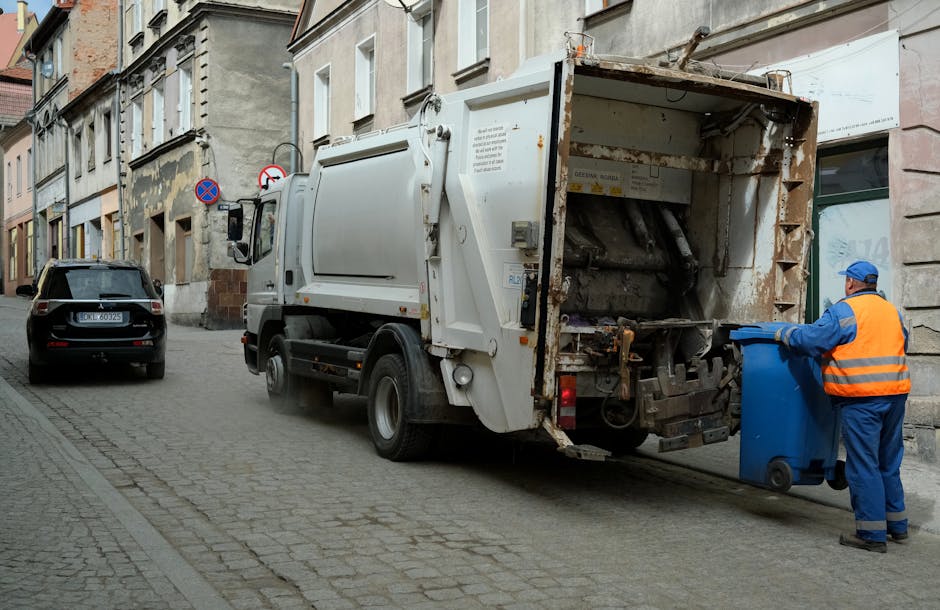


 Luton Van - Rubbish Removal and Waste Collection Prices in Belgravia